
Introduction
If your students get distracted or lose interest, a classroom center can change that fast. Instead of one-size teaching, you create small spaces where students learn by doing. In this guide, you will learn what a classroom center is, how to set one up, and how it improves engagement and learning outcomes.
Table of Contents
ToggleWhat Is a Classroom Center
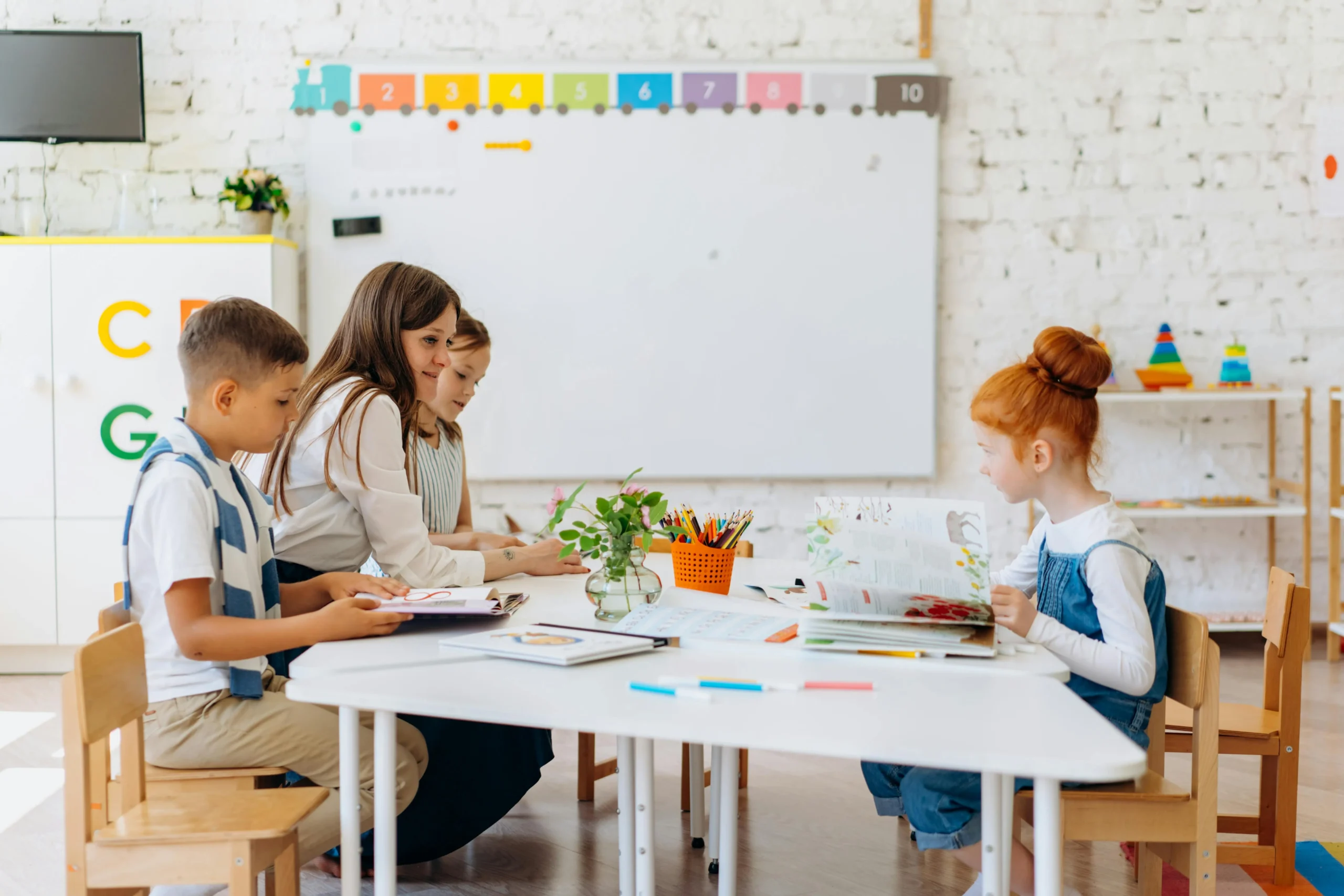
A classroom center is a dedicated area where students work on specific tasks or skills in small groups or independently. Each classroom center focuses on a clear activity such as reading, writing, math, or creative play.
Instead of sitting all day, students rotate between centers. This keeps them active and helps them stay focused. It also allows you to support different learning levels at the same time.
Why Every Classroom Needs a Classroom Center
Improves Student Engagement
Students learn better when they are involved. A classroom center gives them hands-on tasks that keep them interested.
Supports Different Learning Styles
Some students learn by reading. Others learn by doing. A classroom center gives every student a way to learn in their own style.
Encourages Independence
When students know what to do at each classroom center, they rely less on constant instructions.
Makes Classroom Management Easier
Small group activities reduce noise and chaos. Students stay busy and focused.
Types of Classroom Centers You Can Create
Reading Center
A quiet area with books, cushions, and reading tasks. This classroom center builds comprehension and vocabulary.
Writing Center
Students practice sentence building, journaling, or storytelling. You can add prompts and worksheets.
Math Center
This classroom center includes counting games, problem-solving tasks, or puzzles.
Science Center
Hands-on experiments and simple observations make learning fun and memorable.
Art or Creativity Center
Students draw, craft, or create projects. This supports imagination and expression.
Technology Center
Use tablets or computers for interactive learning activities.
Dramatic Play Center
Great for younger students. They role-play real-life situations and build social skills.
How to Set Up a Classroom Center Step by Step
Choose Clear Goals
Decide what each classroom center will teach. Keep it simple and focused.
Organize Materials
Use labeled bins and trays. Students should easily find and return items.
Create Simple Instructions
Each classroom center should have clear, short instructions. Visual guides help younger students.
Set Rotation Rules
Plan how students will move between centers. You can use timers or schedules.
Start Small
Begin with 2 or 3 centers. Add more once students understand the routine.
How to Manage a Classroom Center Effectively
Train Students First
Show them how each classroom center works before starting rotations.
Use Time Limits
Keep sessions short to maintain focus and energy.
Monitor Without Interrupting
Walk around and observe. Let students explore and learn on their own.
Adjust Based on Feedback
If a classroom center is not working, change the activity or setup.
Common Mistakes to Avoid
Too Many Centers at Once
Start small. Too many choices can confuse students.
Unclear Instructions
If students do not understand tasks, they lose interest quickly.
Lack of Structure
A classroom center needs clear rules and routines to work well.
Ignoring Student Levels
Activities should match student abilities. Too easy or too hard reduces engagement.
A Smart Tip Most Teachers Miss
Many teachers focus only on activities, but not on student roles. Assign roles like leader, helper, or checker at each classroom center. This keeps everyone involved and reduces off-task behavior.
FAQ’s
Q1. What is a classroom center?
A classroom center is a small learning area where students work on specific tasks in groups or independently. It helps improve focus and engagement.
Q2. What are the 7 classroom rules?
Common classroom rules include listening carefully, respecting others, raising hands to speak, following instructions, staying on task, keeping hands to yourself, and being kind.
Q3. How to join a classroom as a teacher?
You usually join a classroom by being assigned by the school or creating your own class. In digital platforms, you can join using a class code or invitation.
Q4. What are the different types of centers in a classroom?
Types include reading, writing, math, science, art, technology, and dramatic play centers. Each one focuses on a different skill.
Q5. What are the 4 types of students in the classroom?
Students are often grouped as visual learners, auditory learners, kinesthetic learners, and reading or writing learners. Each type learns in a different way.
Conclusion
A well-planned classroom center can transform how your students learn. It keeps them active, focused, and motivated. Start with a few simple centers, observe what works, and improve over time. Your next step is to create one classroom center this week and test it in your class.
You can also visit our website: https://aitechforms.com/
