

The keyword Narutas Viesulo Kronikos looks unusual at first. Yet it has a clear meaning once you know the language behind it. It is the Lithuanian title used for Naruto Shippuden and it has been linked to Lithuanian voice-over pages and broadcast records. The anime itself is the sequel to Naruto and it follows Naruto Uzumaki after his training with Jiraiya. The full series ran for 500 episodes from 2007 to 2017.

That is why this keyword matters. People do not search it by accident. They search it when they want the Lithuanian name. They search for it when they want to understand the show. They also search it when they want episode details season details or the right way to find the series online.
This guide breaks the keyword down in plain English. It explains the meaning the intent the audience and the best content angles you can use for SEO. It stays focused on the topic and gives you a clean foundation for ranking content.
What Narutas Viesulo Kronikos means

The phrase is a Lithuanian version of the Naruto Shippuden title. In fan and listing pages it appears as Narutas. Viesulo kronikos. That wording is used for the Lithuanian voice over of the series and it was shown on BTV as well. Some pages also describe it as Naruto Shippuden in Lithuanian subtitle or listing form.
The meaning is easy to understand when you split it into parts. Narutas refers to Naruto. Viesulo points to a storm or whirlwind idea. Kronikos means chronicles. Together the phrase gives the sense of Naruto Hurricane Chronicles.
That makes the keyword useful for two kinds of readers. One group wants the title in their own language. The other group wants the anime itself. Both groups need simple help. They do not want a confusing explanation. They want a clear answer fast.
This is a key SEO clue. A page about this keyword should not act like a random anime article. It should answer the title question first. Then it should help the reader move toward episodes story context and viewing intent.
Why do people search Narutas Viesulo Kronikos?
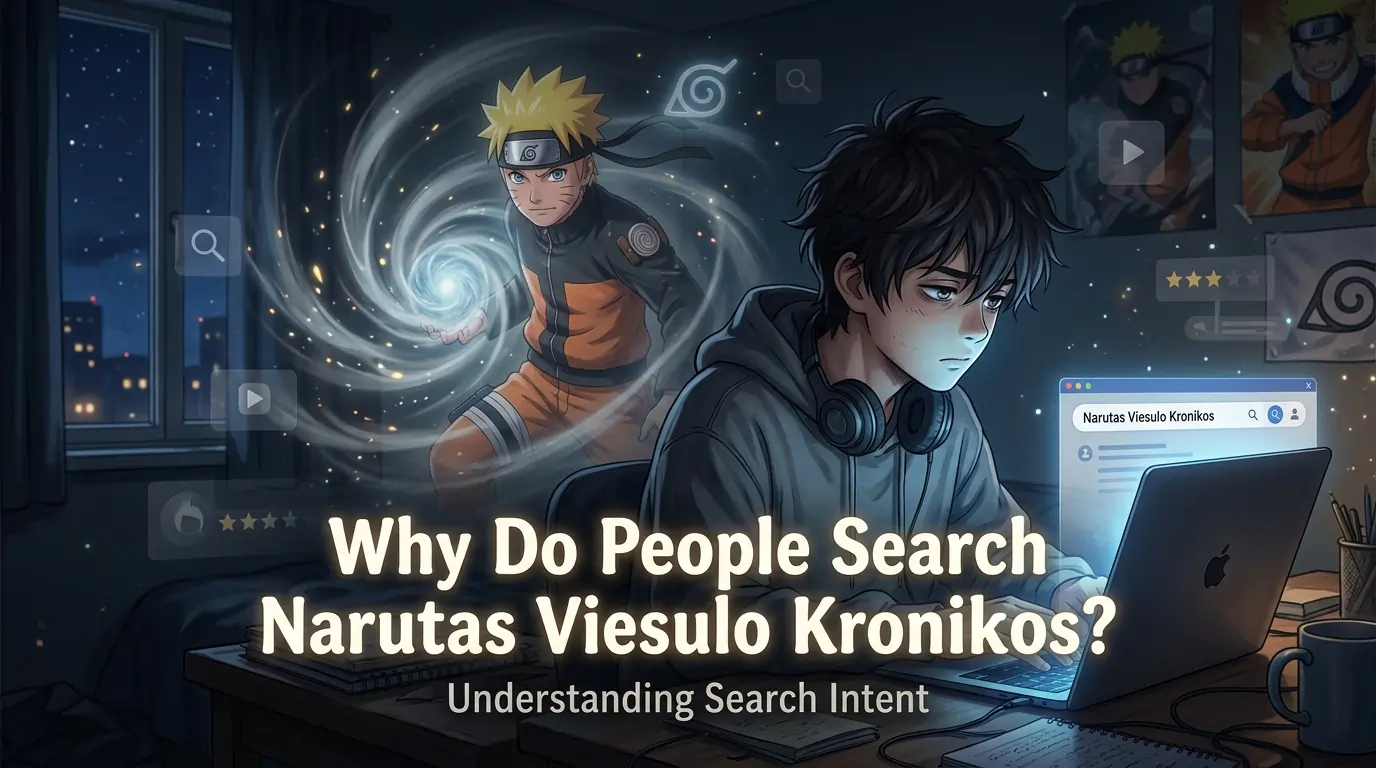
Search intent is the heart of this keyword. Most users are not looking for a deep academic article. They are looking for the show itself or the local title they remember from a TV listing or streaming page.
Some people search it because they remember the Lithuanian title from childhood. Others search it because they saw it on a streaming site. Some search it after hearing the name in a forum or a fan group. A few simply want to know whether this phrase refers to Naruto Shippuden.
There is also a practical reason. Titles change across countries and languages. When that happens readers often search the local title instead of the global title. That is normal. It happens with films anime and TV shows all the time.
This is why a good article should do more than repeat the name. It should explain what the title means who uses it and what kind of content the reader can expect. If the page solves that problem quickly it has a better chance of holding attention.
The story behind the title

Naruto Shippuden is the second major part of the Naruto series and it continues after Naruto leaves for training, The series follows his growth his struggles and the bigger threats around the ninja world. That is the story behind the Lithuanian title too.
What makes this keyword interesting is that it blends translation with memory. Fans often remember a local title more strongly than the original title. That is especially true when a show aired on a local channel or appeared in a local listing. In this case the Lithuanian title became a search phrase of its own.
For content writers this creates a smart opportunity. A page can explain the title in a friendly way. It can connect the local phrase to the global anime name. It can also help readers understand the main story without making the article too heavy.
That balance matters. Many competing pages miss it. They either give too little detail or they go off topic. A stronger page stays focused and gives readers the exact answer they came for.
Search intent and reader needs
When someone types Narutas Viesulo Kronikos they usually want one of four things.
They want the meaning of the phrase.
They want to know if it is Naruto Shippuden.
They want episode or season information.
They want a safe place to learn about the series without confusion.
A useful article should answer all four needs in a calm simple way. It should not bury the main answer under long filler text. It should not wander into unrelated anime history. It should stay close to the keyword and the user intent.
Many pages fail at this point because they rely on weak wording, repeat the same idea too often, and skip important details like the local title, why people search for it, and what the reader should do next.
A better page should feel helpful from the first line. It should answer the title question quickly. Then it should build trust with clean facts and short paragraphs. That style is easier to read and easier to rank.
Related keywords and natural variations
A strong SEO page should use related phrases in a natural way. Not every line needs the focus keyword. The page should also include words that match real search behavior.
Useful related terms include Naruto Shippuden Lithuanian title voice over anime series episode guide series explanation Naruto in Lithuanian and Shippuden meaning.
You can also use phrases that match common reader thoughts. For example a reader may think what Naruto Viesulo Kronikos is or is Naruto Shippuden or where can I watch Naruto Viesulo Kronikos.
These are good support terms because they match how real people search. They also help search engines understand the page topic. The key is to use them with care. The writing should still sound natural. It should never feel stuffed.
A good rule is simple. Write for the reader first. Then place the keyword where it helps. That creates better flow and stronger trust.
How to use Narutas Viesulo Kronikos in SEO content
If you are writing for this keyword your page should follow a clear path.
Start with the meaning.
Then connect the phrase to Naruto Shippuden.
Then explain why the local title exists.
Then answer the most common reader questions.
That structure works because it follows the way people think. First they want identity. Then context. Then action.
The headline should include the keyword. The opening paragraph should include it too. At least one subheading should use it naturally. The body should repeat it only where it adds value. That keeps the page readable and clean.
You should also avoid weak fluff. Do not waste space with generic anime talk. Do not pad the article with empty sentences. Do not repeat the title over and over just for search engines. Modern readers notice that fast.
Instead give them simple useful detail. Explain the title. Explain the series. Explain the audience. Explain the search need. That is the kind of content that earns longer reading time.
What strong guest post content should cover
A guest post needs a professional tone. It should sound trustworthy and clear. It should not look like a sales page. It should not sound like a machine wrote it.
For Narutas viesulo kronikos, the best guest post angle is educational because it helps readers understand the term and the anime behind it. It should be easy to scan and useful for both fans and casual readers.
Strong content should cover these ideas in a smooth order.
What the phrase means.
Why people search it.
How it connects to Naruto Shippuden.
What kind of story the series tells.
What readers should expect from the title.
Why the local language version matters.
This kind of structure helps the page answer the main query fully. It also helps the article feel complete without going off topic. That is important for guest post quality because the host site wants value not noise.
A simple content gap you can beat
Many pages about this keyword stop at the title. They may mention Naruto Shippuden and then move on. That leaves the reader with half an answer.
A stronger article goes further by explaining the language, the search intent, the viewing context, and why the phrase keeps appearing in searches.
That extra depth creates a real advantage. It makes the article more helpful and more memorable, It also gives search engines a clearer signal that the page matches the user’s needs.
That is the gap you can fill. Not with big words. Not with fancy tricks. Just with clarity.
FAQ
Q1. What is Narutas Viesulo Kronikos?
It is the Lithuanian title used for Naruto Shippuden. It appears in fan pages and listing pages as the local version of the series name.
Q2. Is Naruto Viesulo Kronikos the same as Naruto Shippuden?
Yes. The keyword points to the same anime series. It is the Lithuanian voice-over or title form of Naruto Shippuden.
Q3. Why do people search this keyword?
People search it because they remember the Lithuanian title. Others search it to find the anime in local listings or to understand what the phrase means.
Q4. How many episodes does Naruto Shippuden have?
The series ran for 500 episodes from 2007 to 2017.
Q5. What should an article about this keyword explain?
It should explain the meaning of the local title the connection to Naruto Shippuden and the main reason people search it.
Conclusion
Narutas Viesulo Kronikos is more than a strange keyword. It is a local title with real search meaning. It points to Naruto Shippuden and it reflects how fans remember and search for the series in Lithuanian. The phrase has clear intent. It is about identity story and discovery.
